

At Disney Adventure World, more than 1,500 trees and hundreds of thousands of shrubs and bushes have been planted to enhance guest immersion. Behind these landscaping choices—primarily designed to elevate the guest experience—also lie benefits for ecosystems. On the occasion of the International Day for Biological Diversity, we’re highlighting the plants that help support pollinators.
The rhododendrons and roses found along Adventure Way contribute to the area’s visual identity and atmosphere—but thanks to their nectar- and pollen-rich flowers, these melliferous plants also provide a valuable food source.
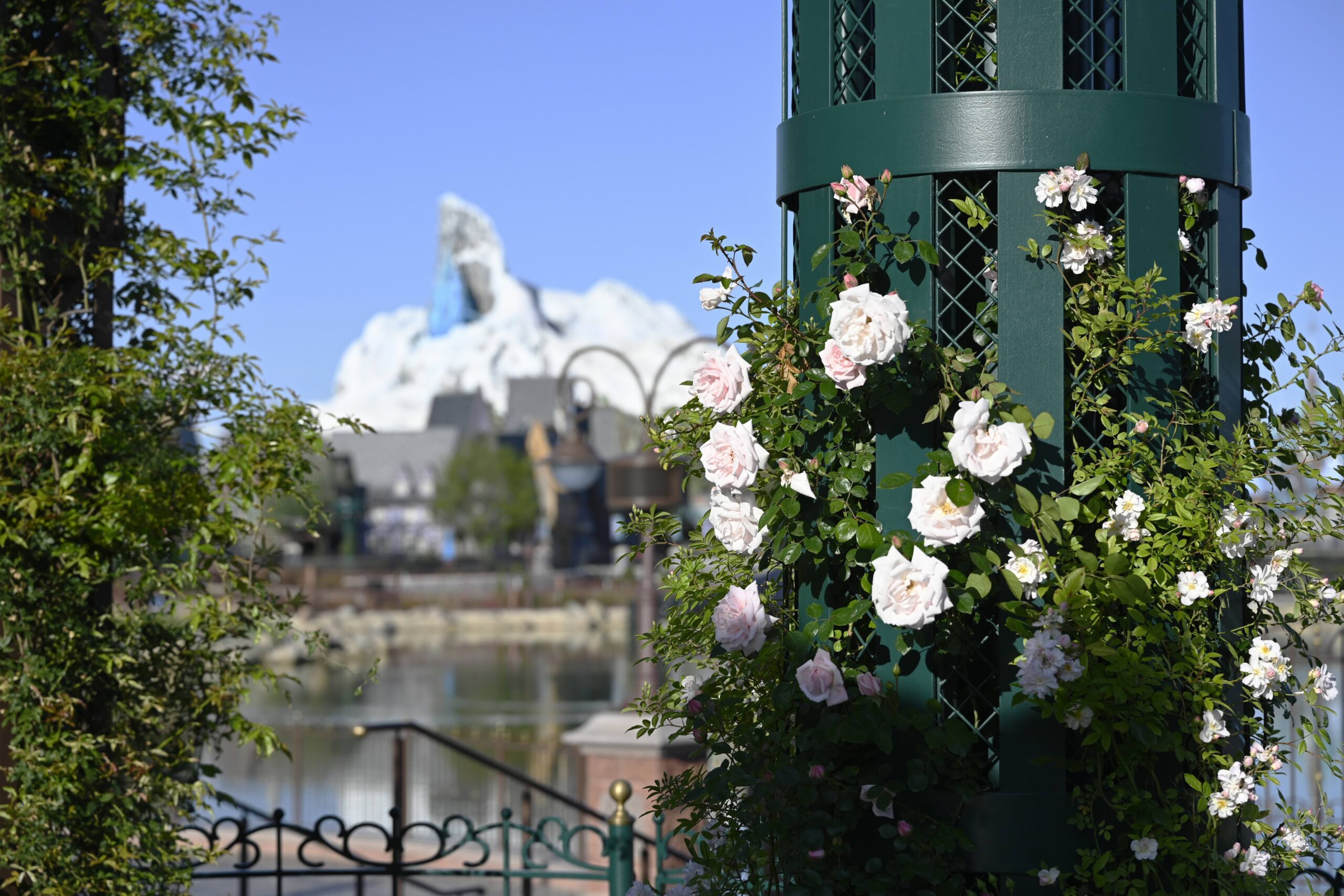
Among the trees planted throughout the park, flowering cherry trees (Prunus) and serviceberries (Amelanchier lamarckii) stand out for their early blooming. From the very start of spring, they offer an essential resource at a critical time for pollinators. Japanese pagoda trees (Sophora japonica), meanwhile, naturally produce flowers that are also rich in nectar, attracting a wide diversity of insects.
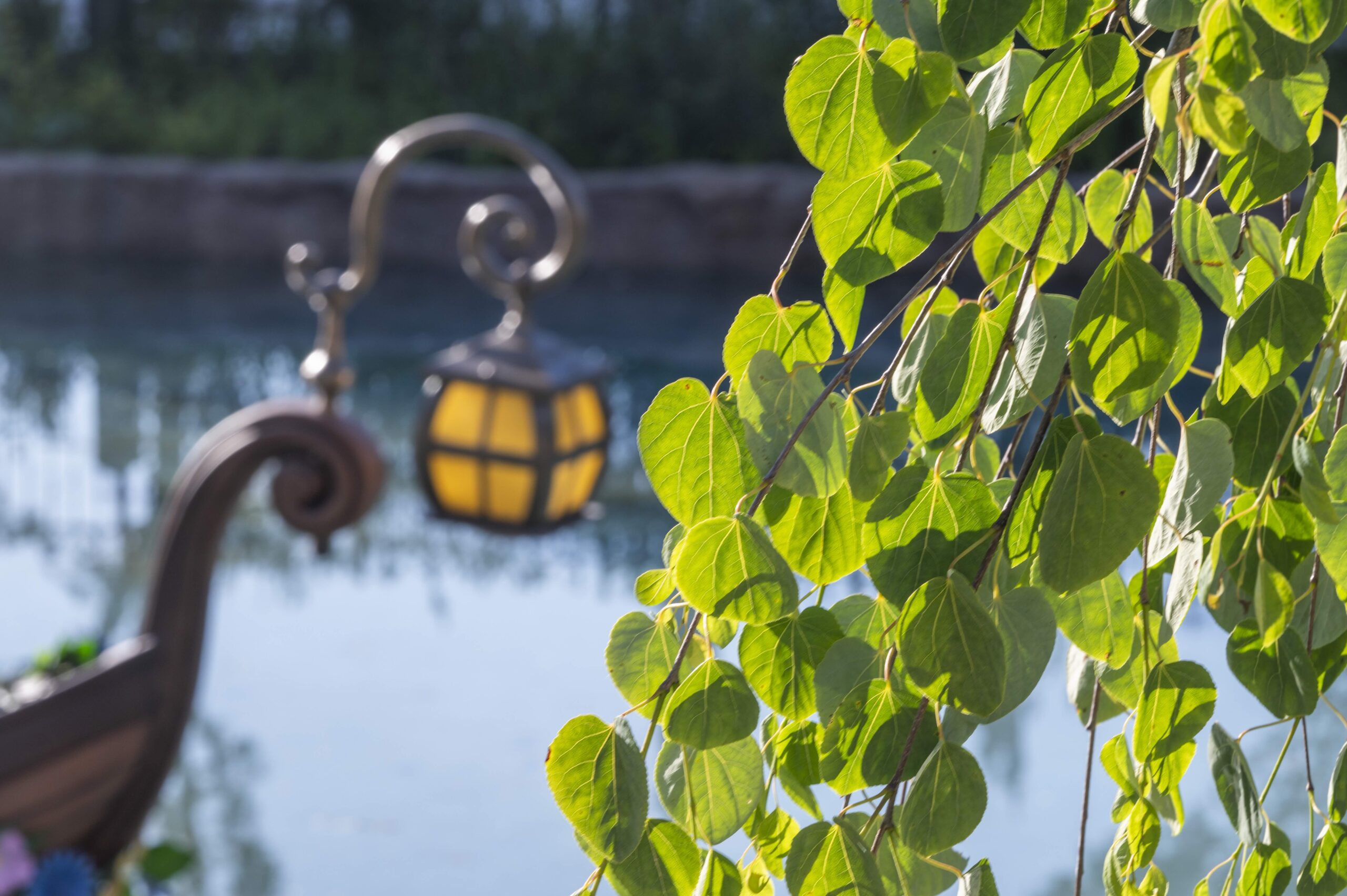
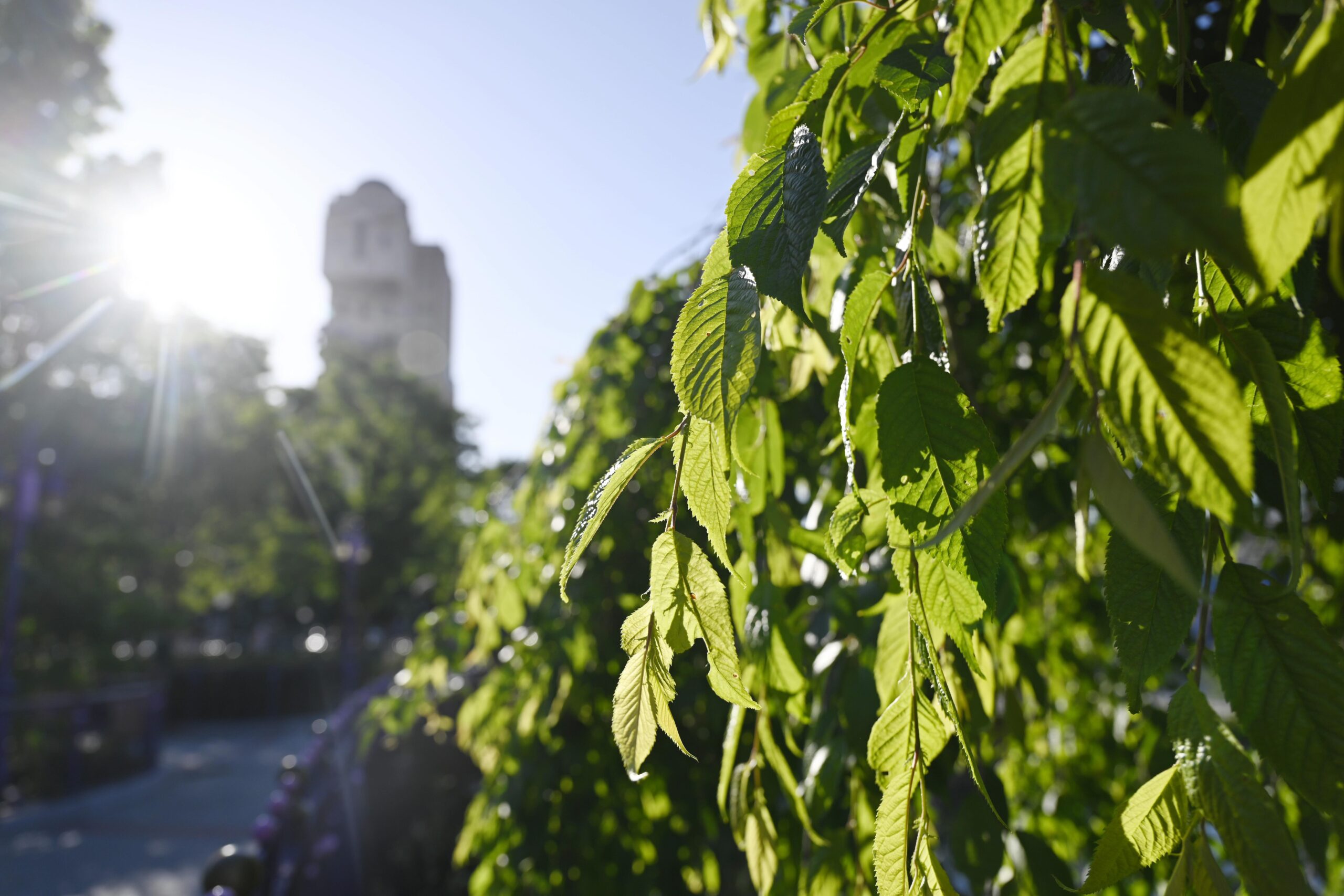
A concrete illustration of how landscaping choices designed for the guest experience can also contribute to enriching biodiversity.
| Did you know? Prunus, serviceberries and roses all belong to the Rosaceae family. Thanks to the wide range of fruits they produce (strawberries, apples, plums, pears, etc.), trees and shrubs from this flowering plant family are a true promise of indulgence. Serviceberry fruits are particularly popular with birds!Japanese pagoda trees are naturally drought-resistant and help enrich the soil by fixing nitrogen, which plays an important role in photosynthesis—and therefore in plant growth. |