

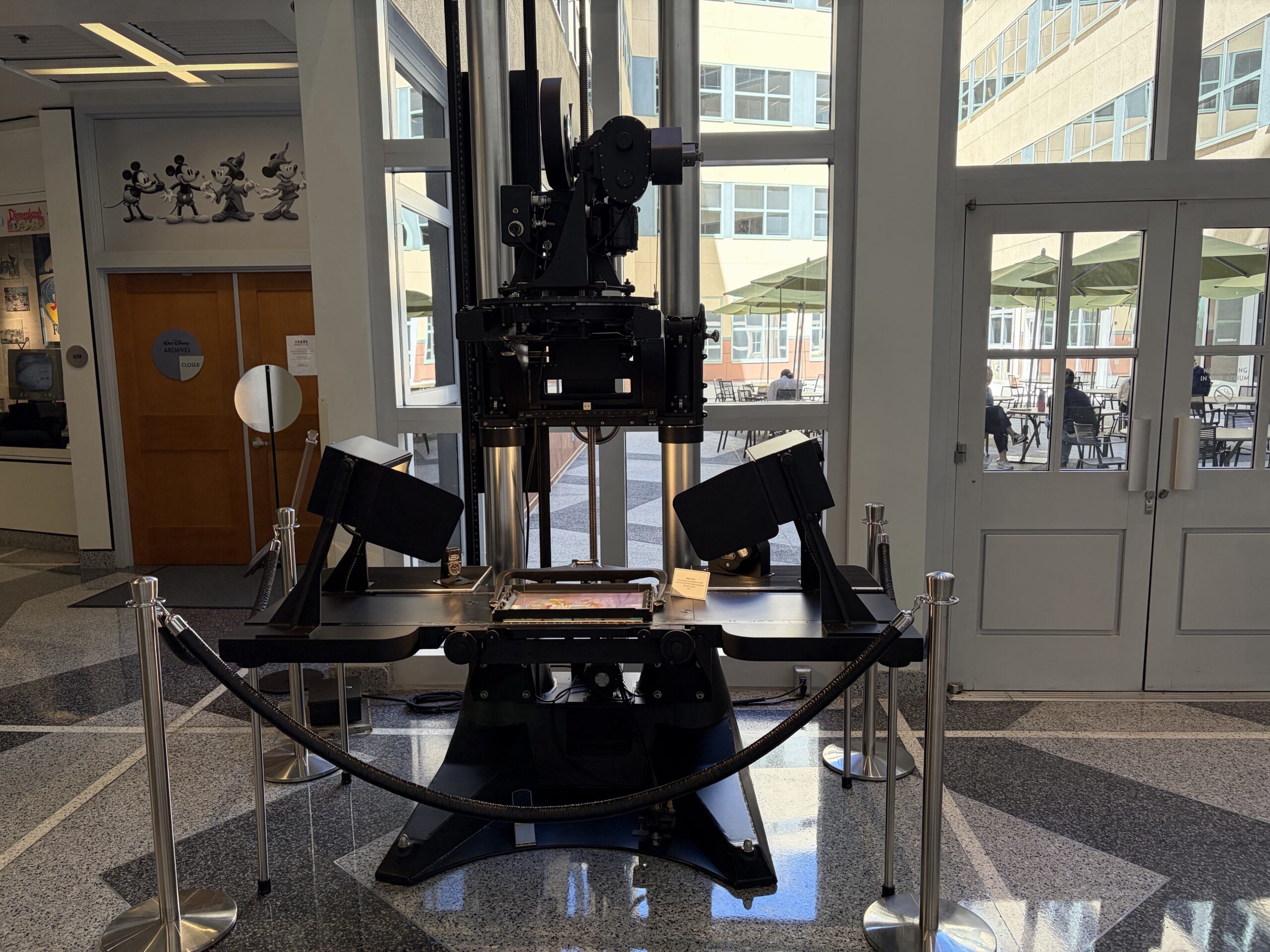
To mark International Animation Day, we’re taking a look back at an innovation that left its mark on the history of The Walt Disney Studios: the multiplane camera. Developed in the mid-1930s, this invention revolutionized the way animated films were brought to life by creating an unprecedented sense of depth and dimension on screen. A remarkable technical achievement, one of the three remaining cameras is now preserved at Disneyland Paris!
A Revolution in Animation
At a time when animated characters primarily moved against flat backgrounds, Walt Disney sought to bring greater depth and realism to the screen, allowing audiences to become more fully immersed themselves more fully in the stories.
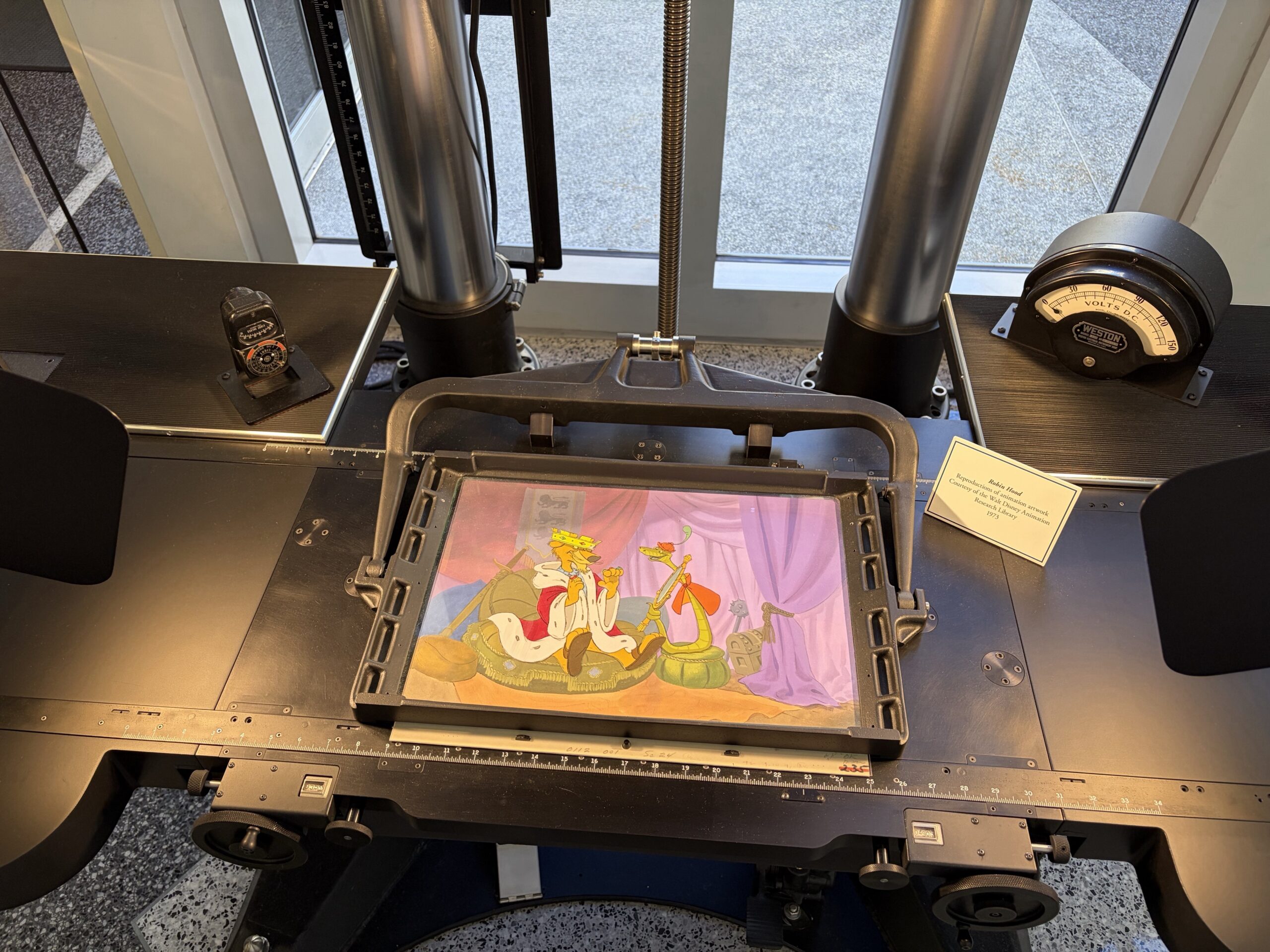
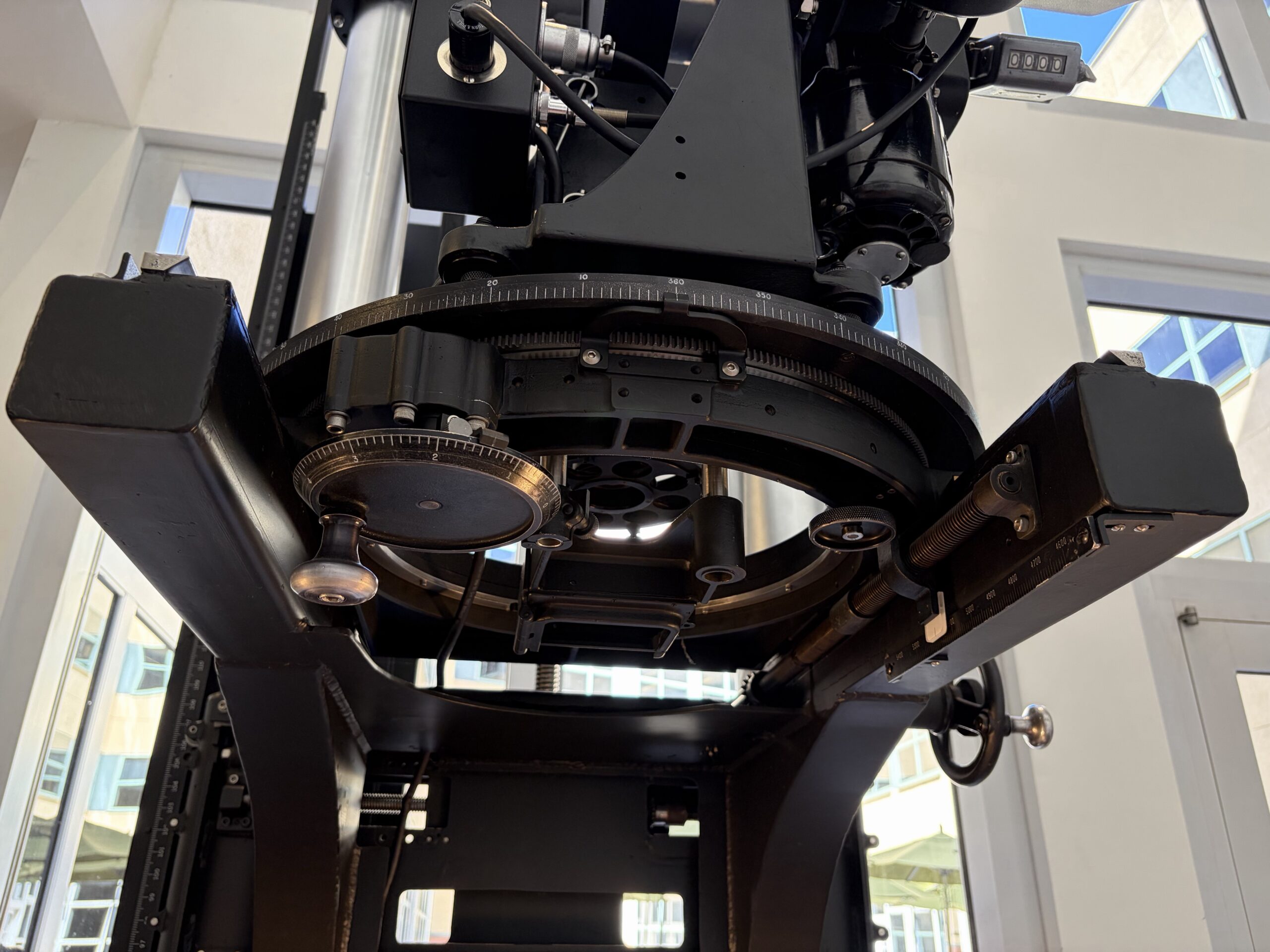
The technical teams at The Walt Disney studios went on to develop a revolutionary tool: the multiplane camera.
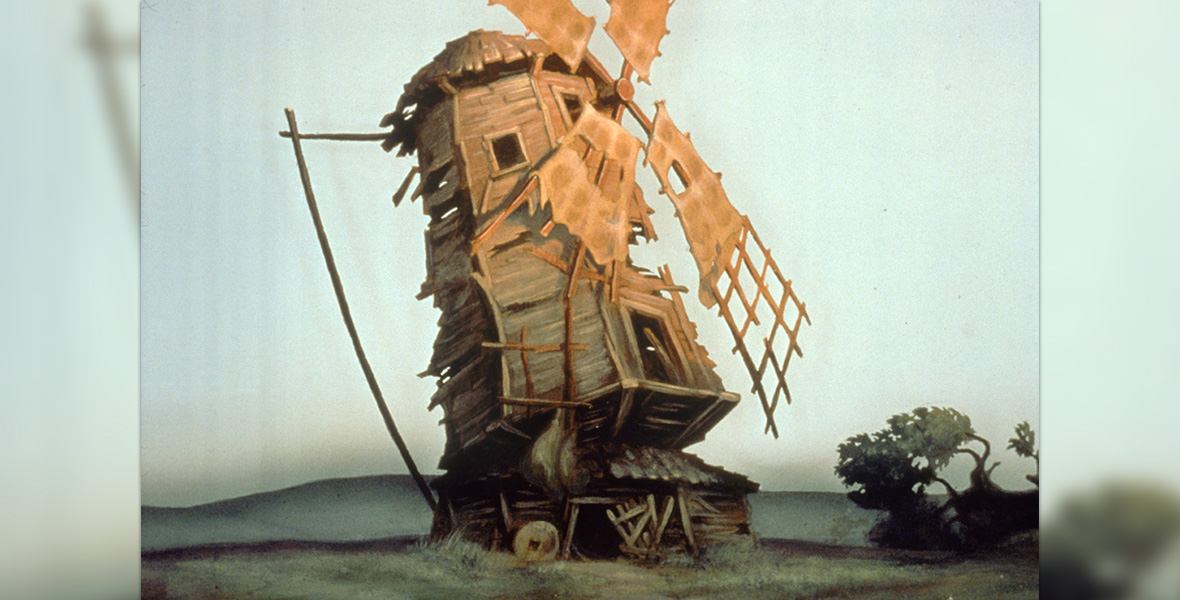
First used in 1937 for the short film The Old Mill, part of the Silly Symphony series of short films, the camera made it possible to achieve movements that had previously been extremely difficult, if not impossible, to recreate using traditional animation techniques. The Old Mill won the Academy Award for Best Cartoon Short Subject in 1938. That same year, Walt Disney and his teams also received a Top Technical Award from the Academy for this innovation!
An Innovation Behind Disney Animated Classics
Following its debut in The Old Mill, the multiplane camera helped bring the worlds of several Disney animated classics to life, including Snow White and the Seven Dwarfs (1937), Pinocchio (1940), Fantasia (1940), and Bambi (1942).
In Pinocchio, for example, it made it possible to create spectacular camera movements through the layered streets of Geppetto’s village.
“The development of the multiplane camera gave Disney artists and technicians an extraordinary tool that helped advance their storytelling—adding greater believability to the animated worlds that audiences could more deeply connect with. By transforming layers of painted glass into dynamic, seemingly dimensional environments on screen, the camera created the impression of moving through the animated world itself, drawing audiences further into the story. This remarkable interplay of art and technology became a transformative part of the Disney studio’s creative trajectory, and preserving the camera gives us a tangible connection to the innovation and artistry that helped expand the possibilities of Disney animation.”
– Steven Vagnini, Walt Disney Archives
The opening sequence of the animated classic Bambi remains one of the most iconic examples of the multiplane process. Different layers of vegetation unfold before the audience, giving the forest a remarkable sense of depth, as though viewers were moving through the trees themselves.
Gradually supplanted by digital techniques, the multiplane camera has left a lasting legacy. Its principles of layering images and creating depth continue to inspire modern animation techniques and visual effects.
A Treasure of Animation Preserved at Disneyland Paris
Did you know that Disneyland Paris is home to one of only three surviving historic multiplane cameras from The Walt Disney studios?
The camera arrived at the resort as part of the former Art of Disney Animation attraction at Disney Adventure World, which became Animation Celebration in 2019. The other two historic cameras are preserved at the Walt Disney Archives in Burbank, California, and at The Walt Disney Family Museum in San Francisco.
This artistic heritage can also be found at the Disneyland Hotel, where no fewer than fifteen dioramas depicting iconic scenes from Disney animated films pay tribute to the principles of the multiplane camera. By layering different elements, these displays help bring the stories to life.
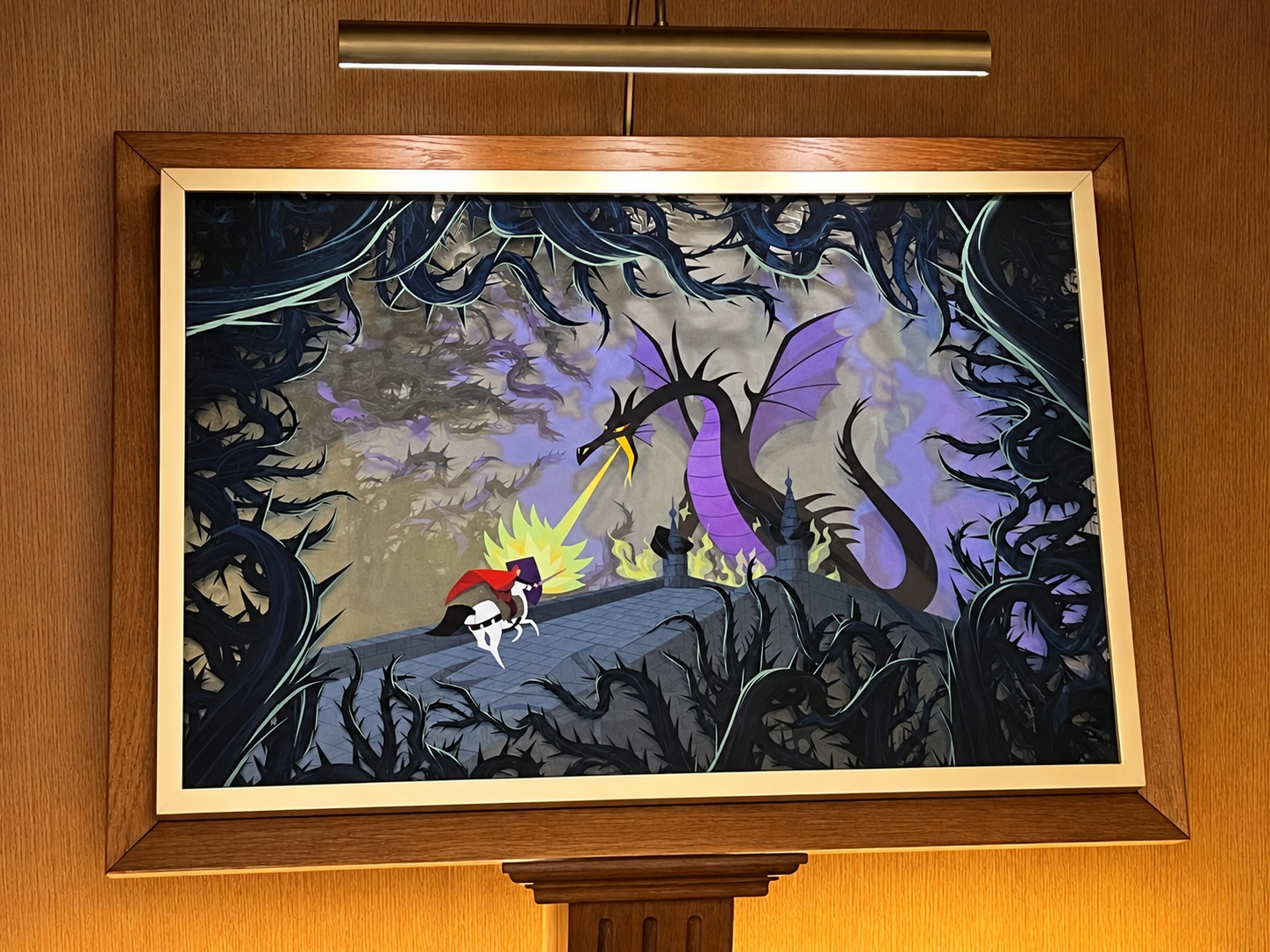
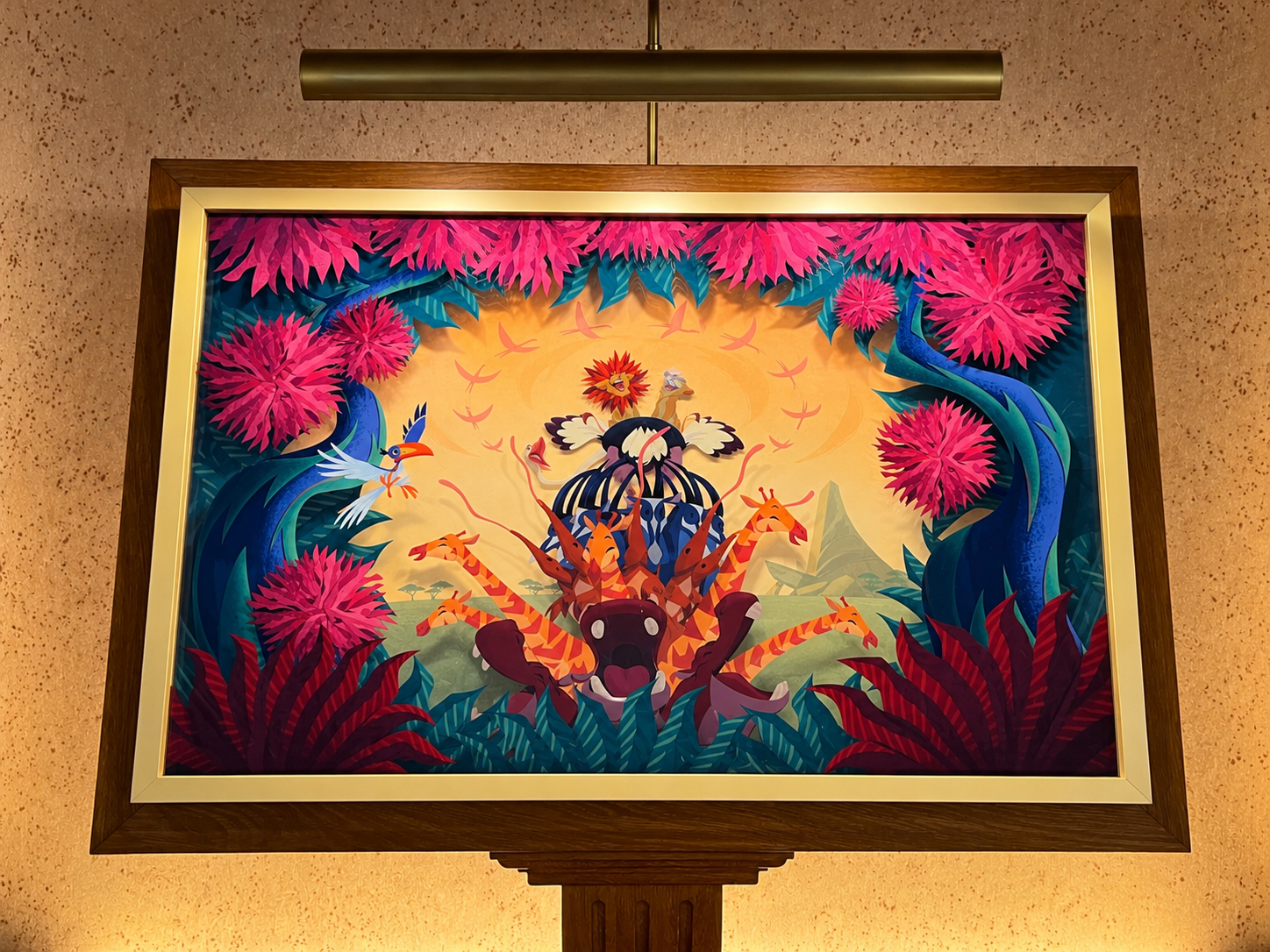
Nearly 90 years after it was first used, this invention remains a testament to the ingenuity of Disney artists and technicians and their needed determination to push the boundaries of creativity to bring ever more immersive stories to life.